How Often Should You Ceramic Coat Your Car in Sydney's Climate?
Ceramic coating is one of those upgrades that sounds like a "set and forget" solution - get it applied once, and your paint is protected forever. It's not quite that simple. A ceramic coating is a semi-permanent layer, not a permanent one, and how long it actually holds up depends heavily on where you live and how the car is used. Sydney's climate throws a fair bit at a coating over a year, so it's worth knowing what to expect.
What Ceramic Coating Actually Protects Against
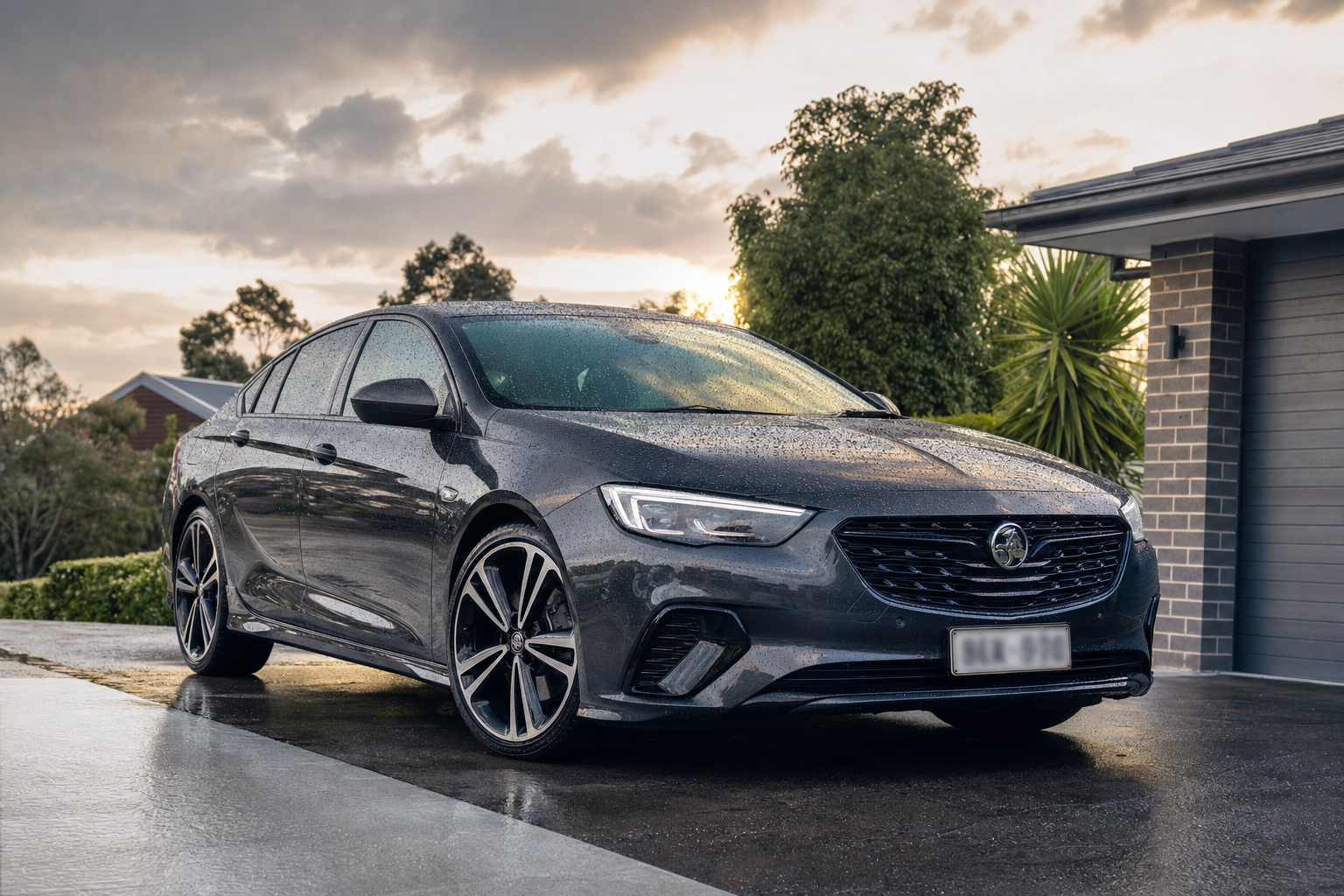
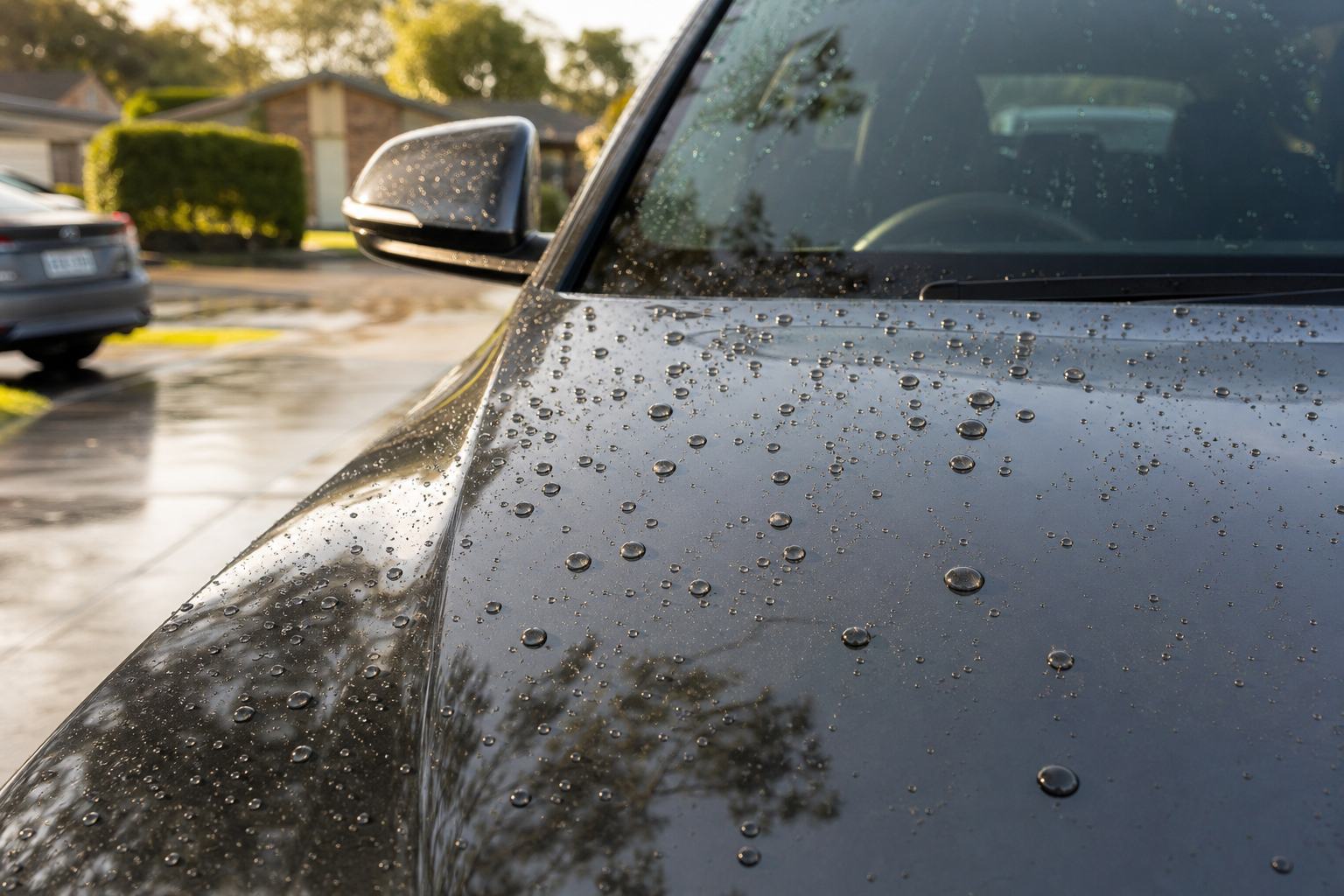
A quality ceramic coating bonds to your paint and creates a hard, hydrophobic layer on top of it. That layer is what gives you the water-beading effect, the deeper gloss, and the added resistance to UV fading, bird dropping etching, road grime, and minor chemical contamination. It doesn't stop stone chips or scratches - that's still down to the paint underneath - but it makes day-to-day contamination much easier to wash off and slows down the paint's exposure to UV and oxidation.
How Long Does Ceramic Coating Last?
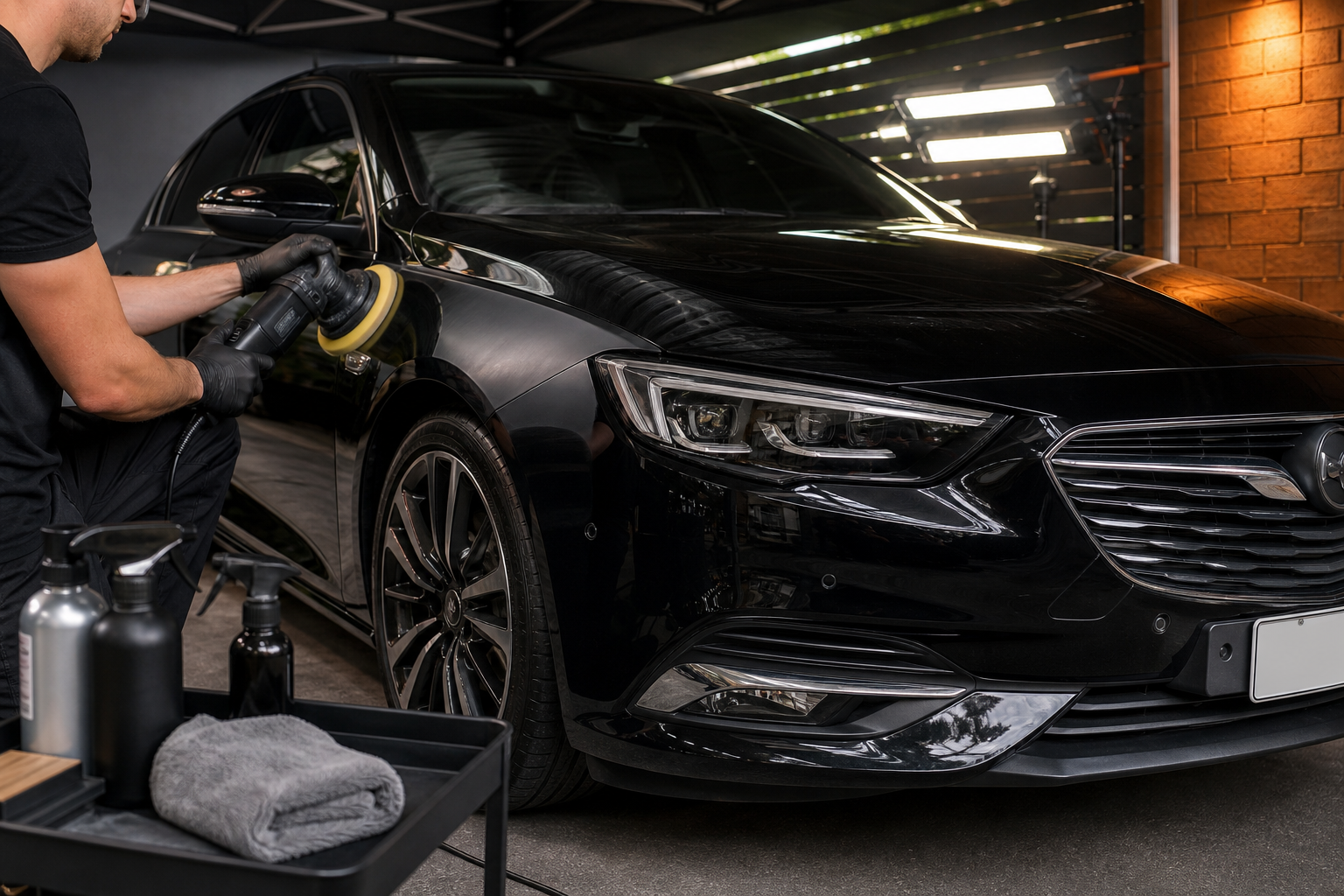
Most professional-grade coatings are rated anywhere from 2 to 5 years, depending on the product used and how well the paint was prepped beforehand. Consumer-grade coatings and DIY sprays sit at the lower end of that, often needing a top-up within 6–12 months. The prep work matters just as much as the coating itself - a coating applied over paint that still has swirl marks, old wax residue, or embedded contaminants will never perform as well as one applied to fully corrected, decontaminated paint.
Why Sydney's Climate Is Tougher on Coatings Than You'd Think
A few local factors chip away at coating longevity faster than people expect:
- UV intensity - Australia's UV index is genuinely severe for large parts of the year, and constant sun exposure is one of the biggest factors in a coating breaking down early.
- Storm season - Sydney's summer storms bring heavy rain, hail, and airborne grit that gets flung onto paint at speed, which accelerates wear on the coating's surface.
- Bushfire ash - during fire season, fine ash and soot can settle on cars left outside and is more abrasive than regular dust if wiped off incorrectly.
- Long daily exposure - cars parked outdoors all day (driveways, street parking, work car parks) get far more cumulative UV and weather exposure than garaged vehicles, and will need earlier attention.
Signs Your Coating Needs Attention
You don't need to guess - a coating gives you visible signs when it's wearing thin:
- Water no longer beads tightly and instead sheets flat across the panel
- Gloss looks noticeably flatter than when it was first applied
- Contaminants (bug splatter, tree sap, road grime) start sticking rather than wiping off easily
- Water spots take real effort to remove instead of lifting with a rinse
If you're noticing two or more of these, it's a good sign the hydrophobic layer is thinning out.
How to Extend the Life of Your Coating
- Wash with a pH-neutral shampoo - anything acidic or alkaline strips the coating faster
- Avoid automatic tunnel washes with brushes, which cause fine scratching over time
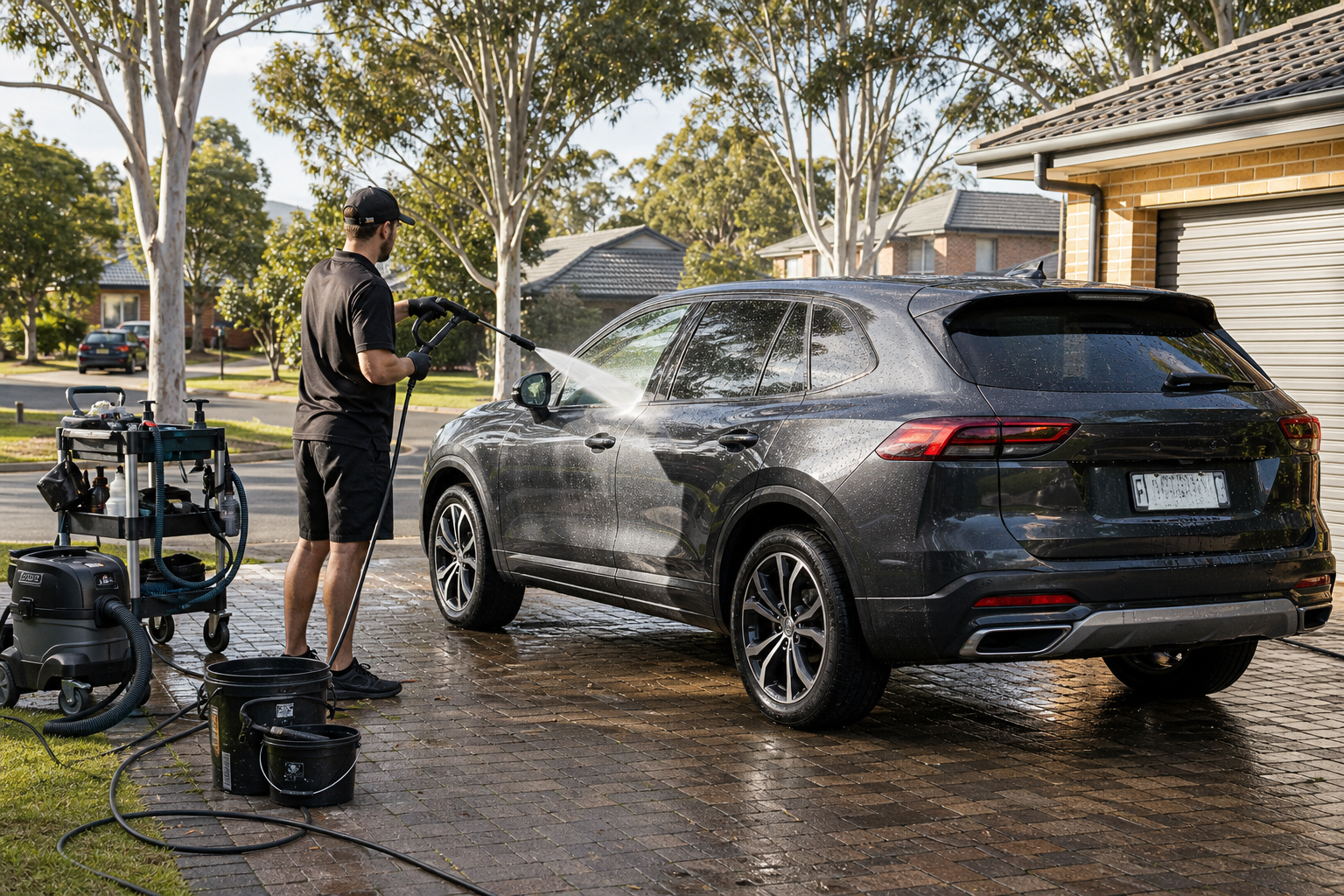
- Rinse regularly, even just a quick hose down, to stop contaminants sitting and baking on in the sun
- Park in shade or a garage when you can - even partial cover reduces cumulative UV exposure
When to Book a Professional Top-Up or Reapplication
As a rough guide, most daily-driven, outdoor-parked cars in Sydney benefit from a maintenance check or top-up around the 12–18 month mark, even with a multi-year rated coating, just to keep performance consistent. If the beading and gloss have noticeably dropped off, that's the clearest signal it's time.
If you're not sure where your coating currently sits, we're happy to take a look and let you know honestly whether it needs a full correction and reapplication or just a maintenance detail. Our ceramic coating packages start from $1,199 and we come to you - book a detail and we'll assess it on the day.