Paint Correction vs Ceramic Coating: What's the Difference?
These two terms get used almost interchangeably, but they're solving completely different problems. Understanding the difference matters, because booking the wrong one for your car - or skipping a step - means you won't get the result you're actually after.
Paint Correction: Fixing What's Already There
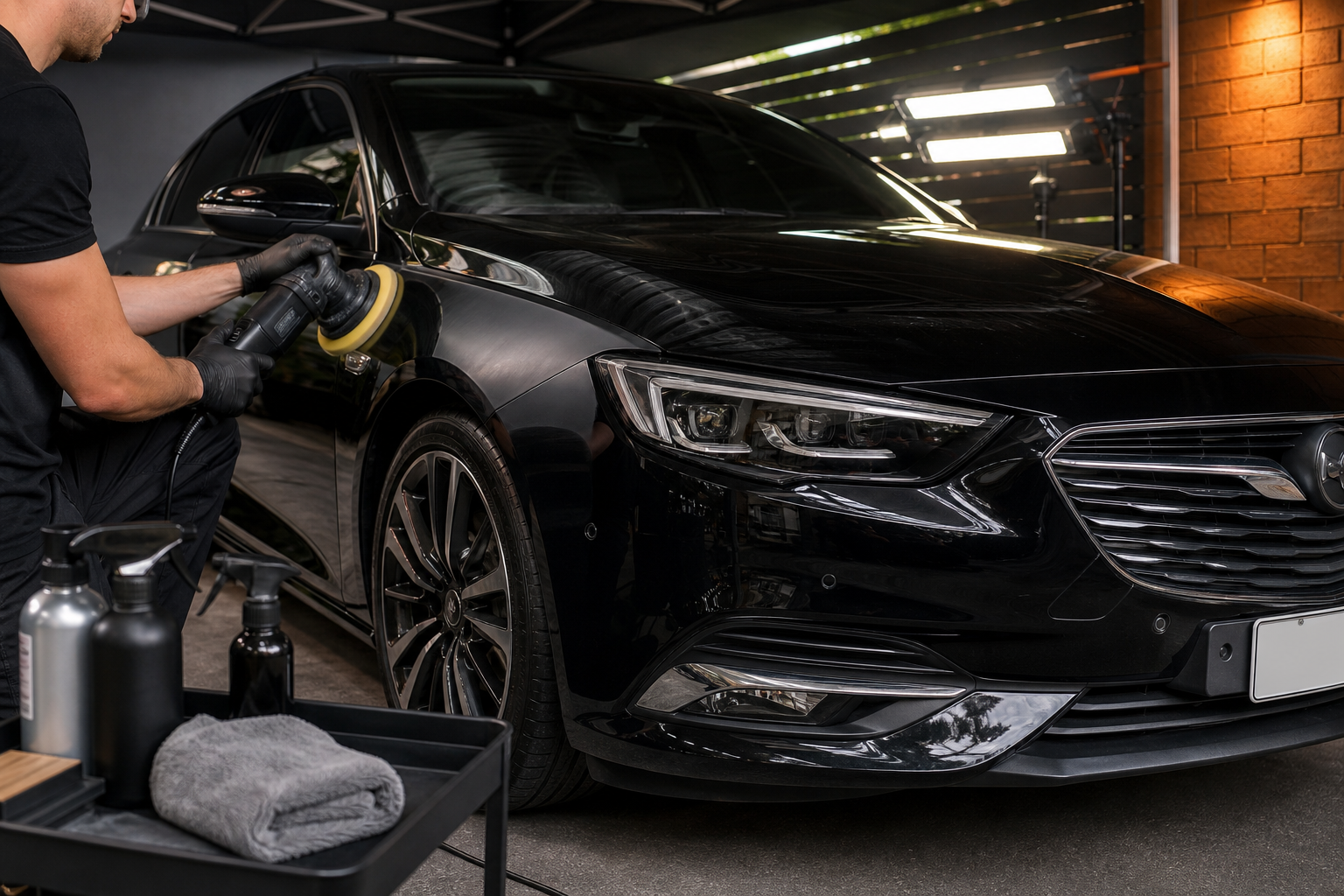
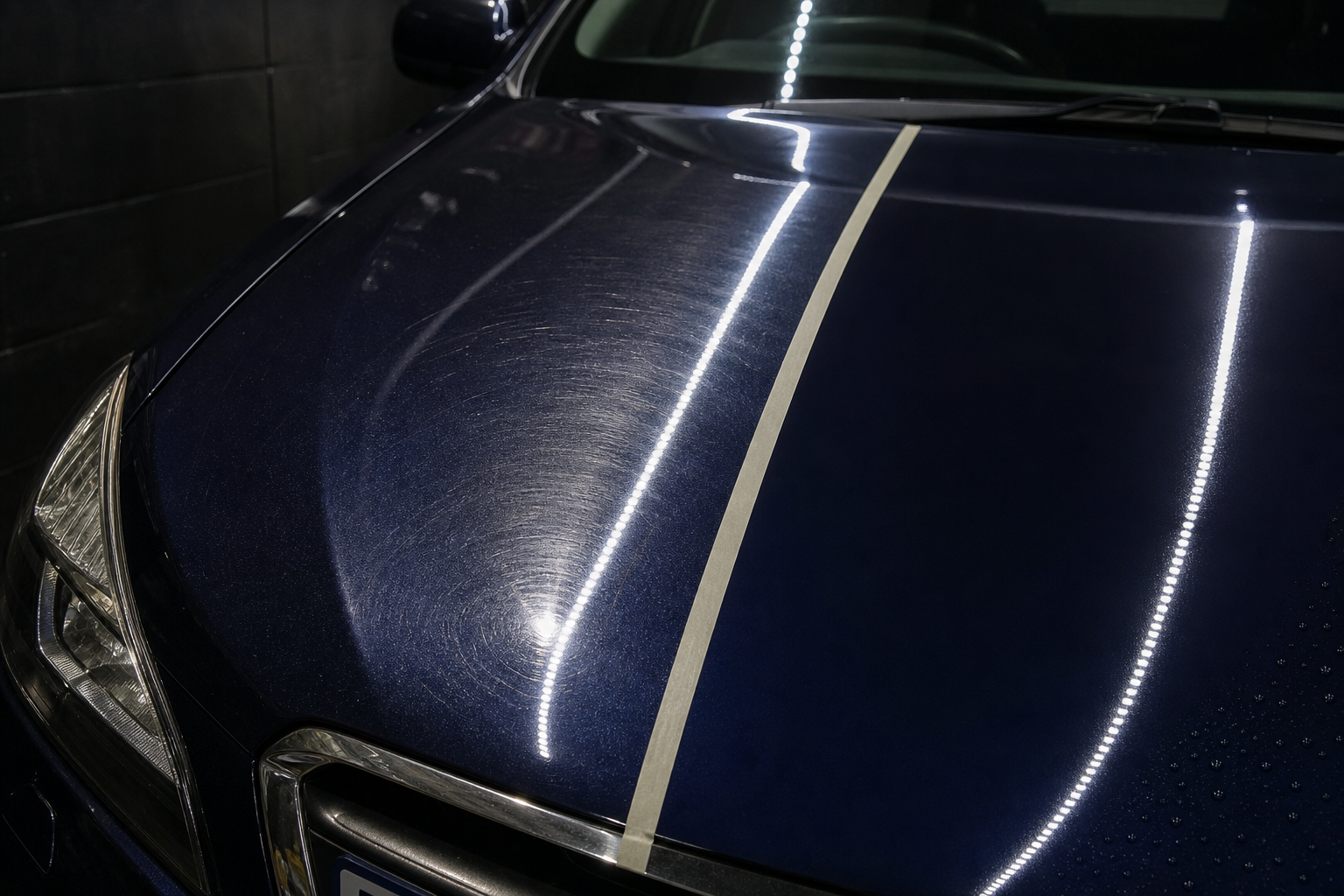
Paint correction is a machine polishing process that removes existing defects from the clear coat: swirl marks, light scratches, oxidation, water spots, and the dull, hazy look that builds up on paint over time - usually from years of improper washing, automatic car washes, or just general road use. It's a corrective process. It doesn't add protection on its own; it removes damage and restores clarity and gloss to the paint that's already there.
Depending on how much correction is needed, this can be a single-stage polish for lighter defects or a multi-stage process for more significant swirling and oxidation. The end result is paint that looks noticeably deeper and glossier, with the fine scratching that scatters light across the surface polished out.
Ceramic Coating: Protecting What You've Got
Ceramic coating is a protective layer applied on top of the paint. It doesn't fix existing swirl marks or scratches - it bonds to whatever surface it's applied to and protects it going forward. That's the key distinction: coating locks in a finish, it doesn't create one.
If you coat over paint that still has swirl marks and oxidation, you've essentially sealed those defects in. They'll still be visible under the coating, and you'll have made them significantly harder to correct later, since removing a coating and reworking the paint underneath is a more involved job than just correcting bare paint.
Why the Order Matters
This is the part most people miss: paint correction should always come before ceramic coating, not the other way around. The typical process looks like this:
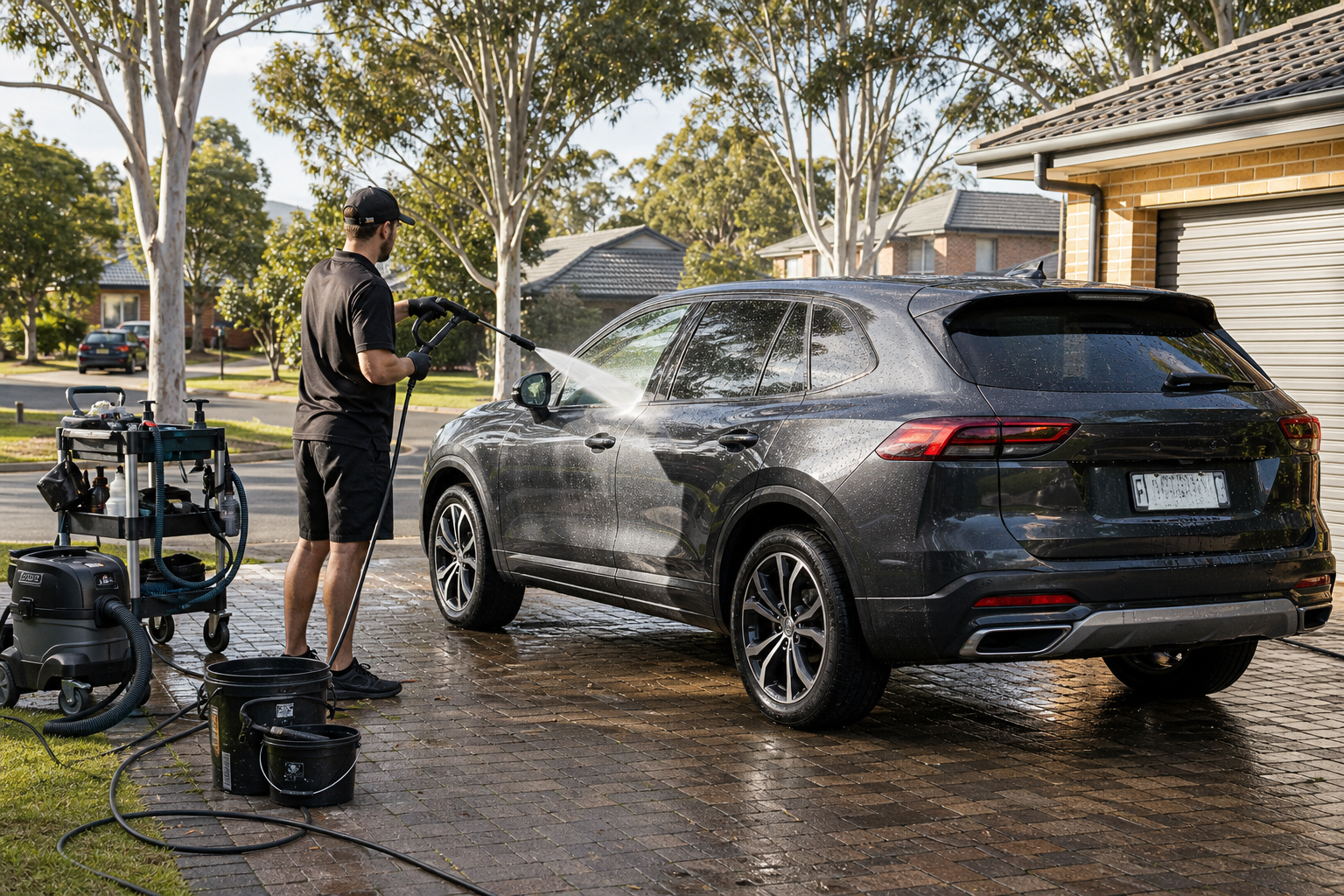
- Wash and decontaminate the paint (clay bar or chemical decontamination)
- Machine polish to correct swirl marks, scratches, and oxidation
- Wipe down with a panel prep solution to remove polishing oils
- Apply the ceramic coating to fully corrected, clean paint
Skipping the correction step and going straight to coating is the most common shortcut - and the most common regret, because it means paying to protect paint that still looks tired underneath.
Do You Need Both?
Not always. It depends on the current state of your paint:
- New or near-new car with minimal swirling - you likely just need a light polish or single-stage correction before coating, not a full multi-stage correction.
- A few years old, daily driven, been through automatic washes - this is where most cars sit, and a proper multi-stage correction before coating makes the biggest visible difference.
- Preparing a car for sale or a show - full correction is usually worth it here since it's the difference buyers and judges actually notice first.
- Just want easier washing and some added protection, paint already looks fine - coating alone may be enough.
Making the Right Call for Your Car
If you're not sure which category your car falls into, the honest answer is that it's hard to tell without seeing the paint in good lighting - a lot of swirling isn't obvious under normal daylight but shows up clearly under direct sun or LED inspection lights. That's generally the first thing we check before recommending correction, coating, or both.
If you want a straight answer on what your car actually needs rather than being upsold a package, get in touch and we'll assess the paint honestly before recommending anything.